
Blog
Is Your Goodyear Garage Door Worth Fixing, or Done
Most Goodyear garage doors date to the 2001-2007 building boom. Here's how to tell if your original door is worth repairing or past its working life in this heat.
When to Get Help
If your house sits in one of the neighborhoods built out during the 2001-2007 run that makes up most of Goodyear's housing stock, there's a decent chance the garage door hanging on your opener right now is the original builder-grade unit. That door has spent close to two decades absorbing direct summer sun in a climate the federal data flags as severe heat exposure. Call someone when the door is off-track, when the opener reverses for no reason, when a cable has frayed, or when you hear the spring bang on its way up or down - that bang is usually the spring failing, not settling in. Don't wait on a door that won't fully seal at the bottom; in this heat that gap is costing you cooling dollars every month it sits open a crack. We'll tell you straight if a service call is going to cost more than the door's remaining life is worth. Sometimes it is. A $300 repair on a $000 two-decade-old steel door with sun-baked panels and a dead opener motor isn't always the smart move, and we won't talk you into thinking it is.
What Local Conditions Do
Across the service area, roughly 17,163 of the 35,030 households are owner-occupied houses, and the bulk of that stock went up during the same early-2000s wave - the kind of production-home construction that used standard-grade steel panels, standard torsion springs, and plastic-gear openers meant to last maybe ten to fifteen years under normal conditions. Goodyear's conditions aren't normal for this hardware. Severe heat cycles the steel daily - expansion at 115 degrees midday, contraction overnight - and that cycling works rollers, hinges, and track alignment loose faster than it would in a milder climate. Insulation foam inside a double-layer panel also degrades under sustained heat exposure, which is why doors from this era often look fine from the driveway but flex and rattle more than they did when new. None of this means the doors were built wrong. It means a 2003-built door in a 115-degree climate ages differently than the same door would somewhere mild, and a lot of Goodyear homeowners are hitting that wall around the same time because they bought into the same building wave.
What Changes With the Season
Summer is when original-era doors in Goodyear fail, not in a slow decline but all at once - a spring that's been losing tension for a year snaps on the hottest week because the metal is already stressed from heat. Opener gears that are mostly plastic wear faster when the garage itself sits at 120-plus degrees for hours, which is normal for an attached Goodyear garage with a door that's lost its seal. We see call volume track the heat, not the calendar - late spring into peak summer is when original torsion springs on 20-year-old doors let go. Cooler months give you a window to get ahead of it: have the door looked at before the heat returns and a weak spring becomes a sudden one. If your door was part of the original build on your house, and your house is one of the 2000s-era ones common across Goodyear's named areas, this is the season to check it, not the season to find out the hard way.
What Is Going On
The short version: a huge share of Goodyear's housing was built in one tight window, 2001 to 2007, with a median build year of 2001, and that means a huge share of the original garage doors and openers in this town are the same age and built to the same spec. They're reaching the end of their working life around the same time, under a climate that's harder on steel and plastic hardware than most places this housing type was designed for. That's not a sales pitch - it's just math. A door that's 20-plus years old, original to a production-built house, run through twenty summers of severe heat cycling, is a different repair conversation than a five-year-old door with one bad roller. We'll look at the spring wear, the opener's gear condition, and the panel insulation before we tell you which conversation you're having.
Questions
Common questions
My house was built in 2004 - is the garage door original, and does that matter?
Likely yes on both counts if it hasn't been replaced. Builder-grade doors and openers from Goodyear's main construction wave are now 20-plus years old, and that age combined with two decades of severe heat cycling is exactly when springs, rollers, and plastic opener gears start failing. Original age alone doesn't mean replace it, but it's worth having checked before a spring lets go in peak summer.
Why does my garage door seem to act up more in summer?
Heat cycling stresses steel panels and torsion springs daily when temperatures swing from over 115 degrees midday to much cooler overnight. That constant expansion and contraction is harder on original-era doors than on newer hardware, and it's why most failures we see on 2000s-built Goodyear houses happen in late spring through peak summer rather than winter.
Is it worth repairing an old door or should I just replace it?
Depends on what's failing. A single bad spring or opener on an otherwise solid panel is usually worth fixing. A door that's original to a 2001-2007 build with degraded insulation, a worn track, and a dying opener motor all at once is often a case where repair costs stack up past what a new door would run. We'll give you a straight read before you spend anything.
Recommendation
You Might Also Like
More garage door guides for Goodyear homeowners.
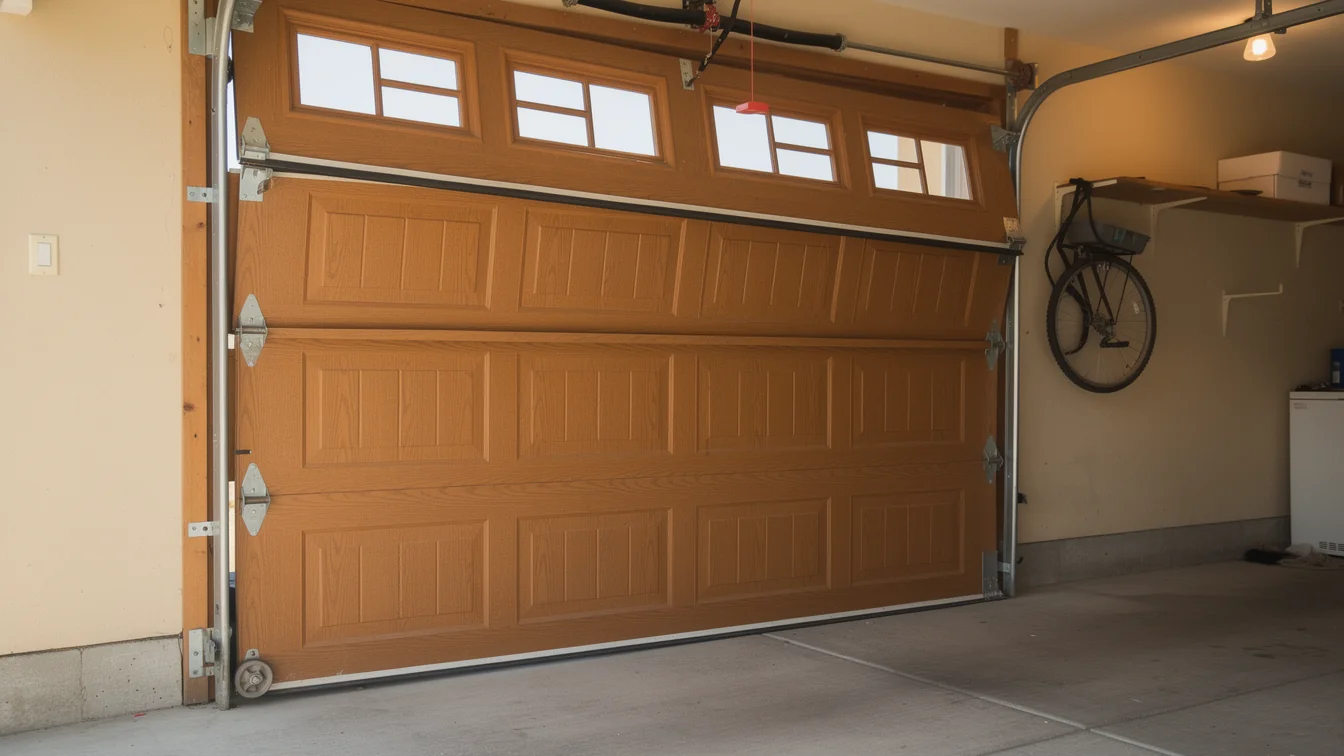 Openers, Power Cuts, and the Age of Your Goodyear Garage
Most Goodyear garages were built 2001-2007, and that opener hardware is now old enough to fail right when summer heat and power cuts hit hardest.
What a Service Call Actually Covers in Goodyear
A look at what a Goodyear Garage Door Pros service call covers, tied to this area's 2000s-era housing stock, severe heat band, and the hardware that wears out here first.
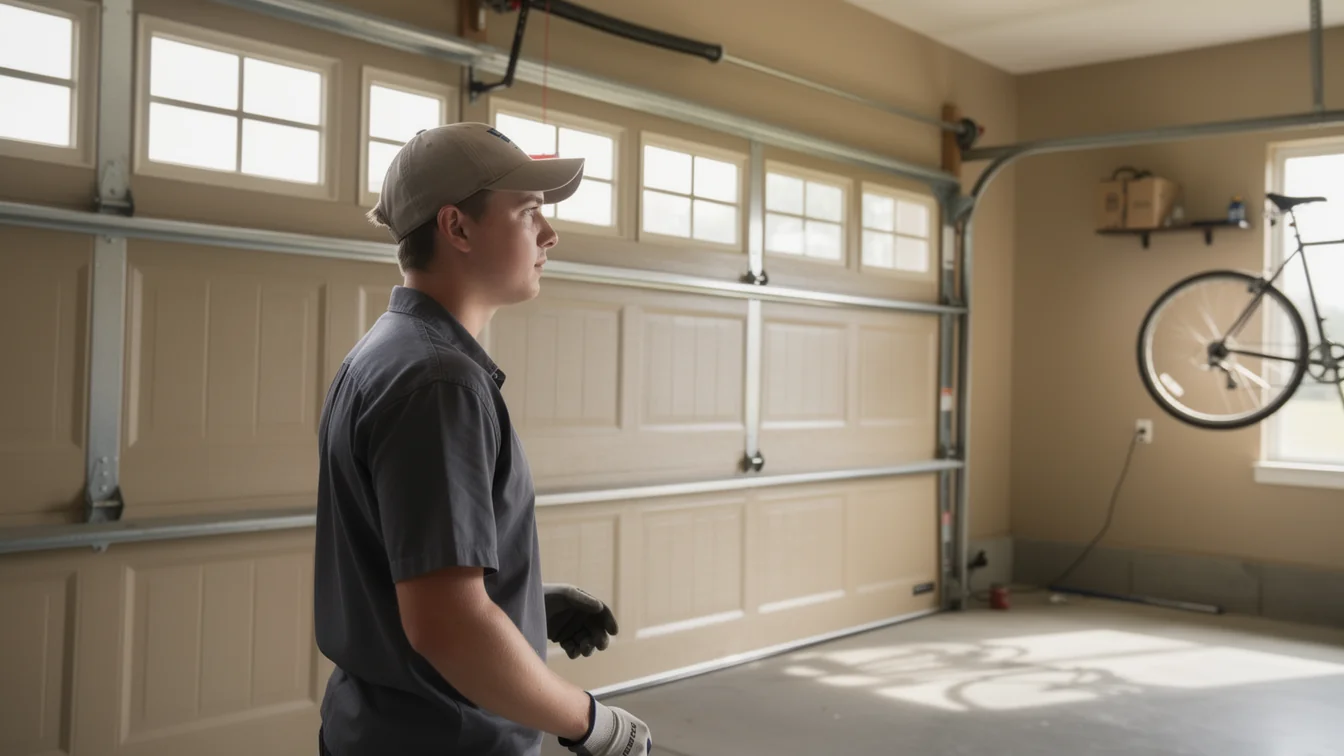 What Goodyear's Housing Stock and Heat Mean for Your Garage Door
Goodyear homes built mostly between 2001 and 2007 face specific heat-driven wear on springs and openers.
Ready when you are
Need a garage door sorted in Goodyear?
Goodyear Garage Door Pros repairs and installs garage doors, springs and openers in Goodyear, AZ and the surrounding area.