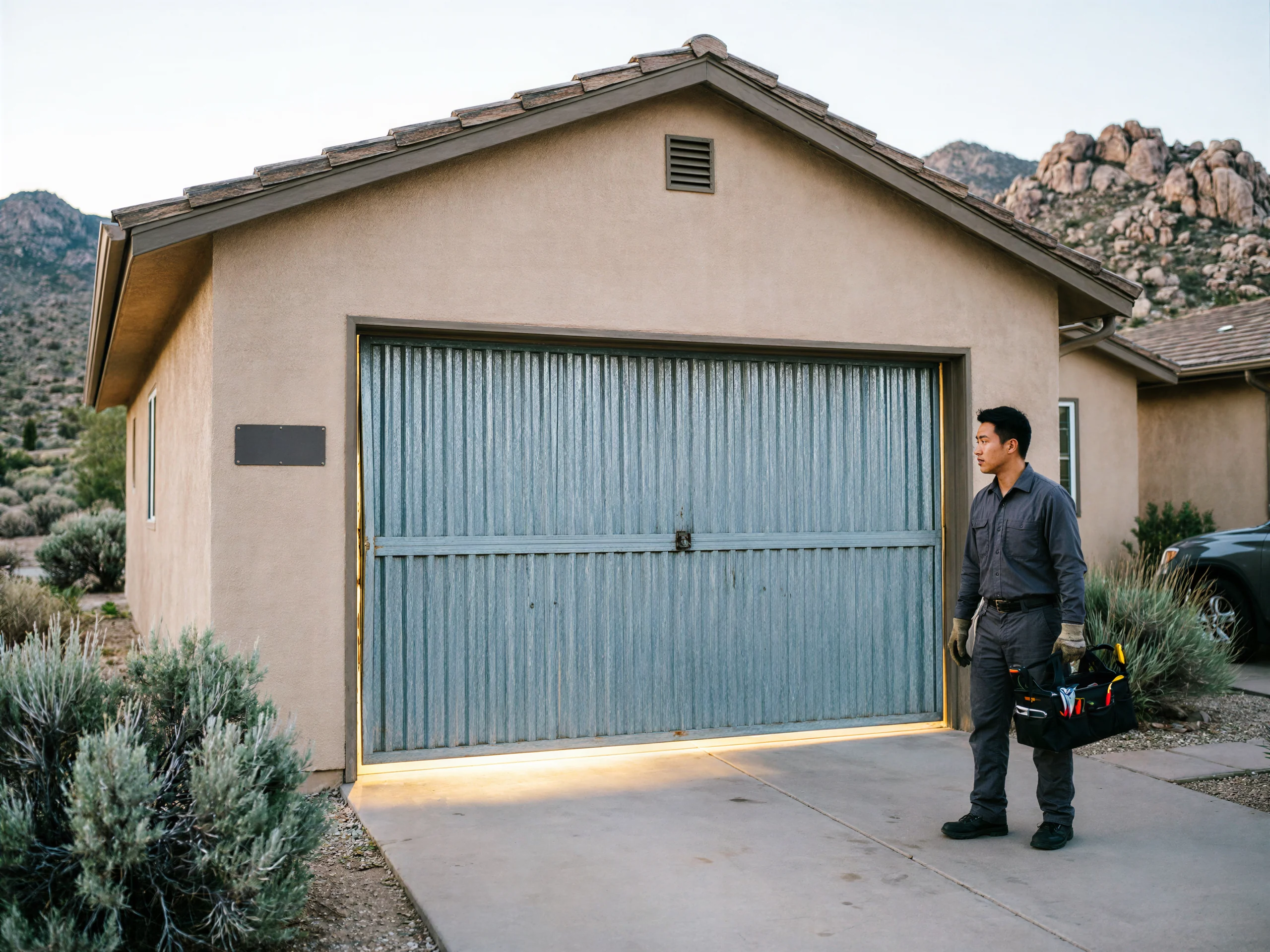
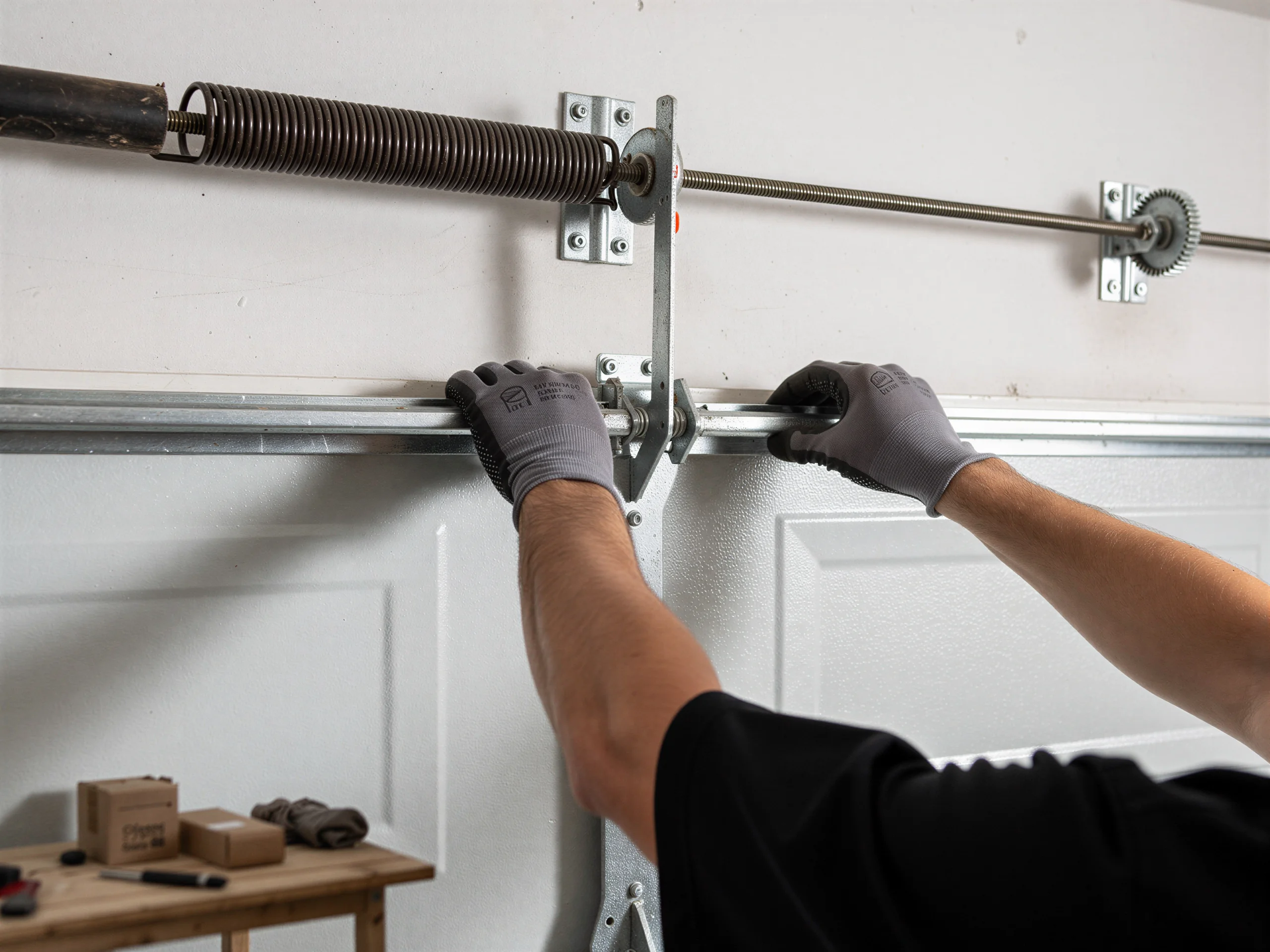
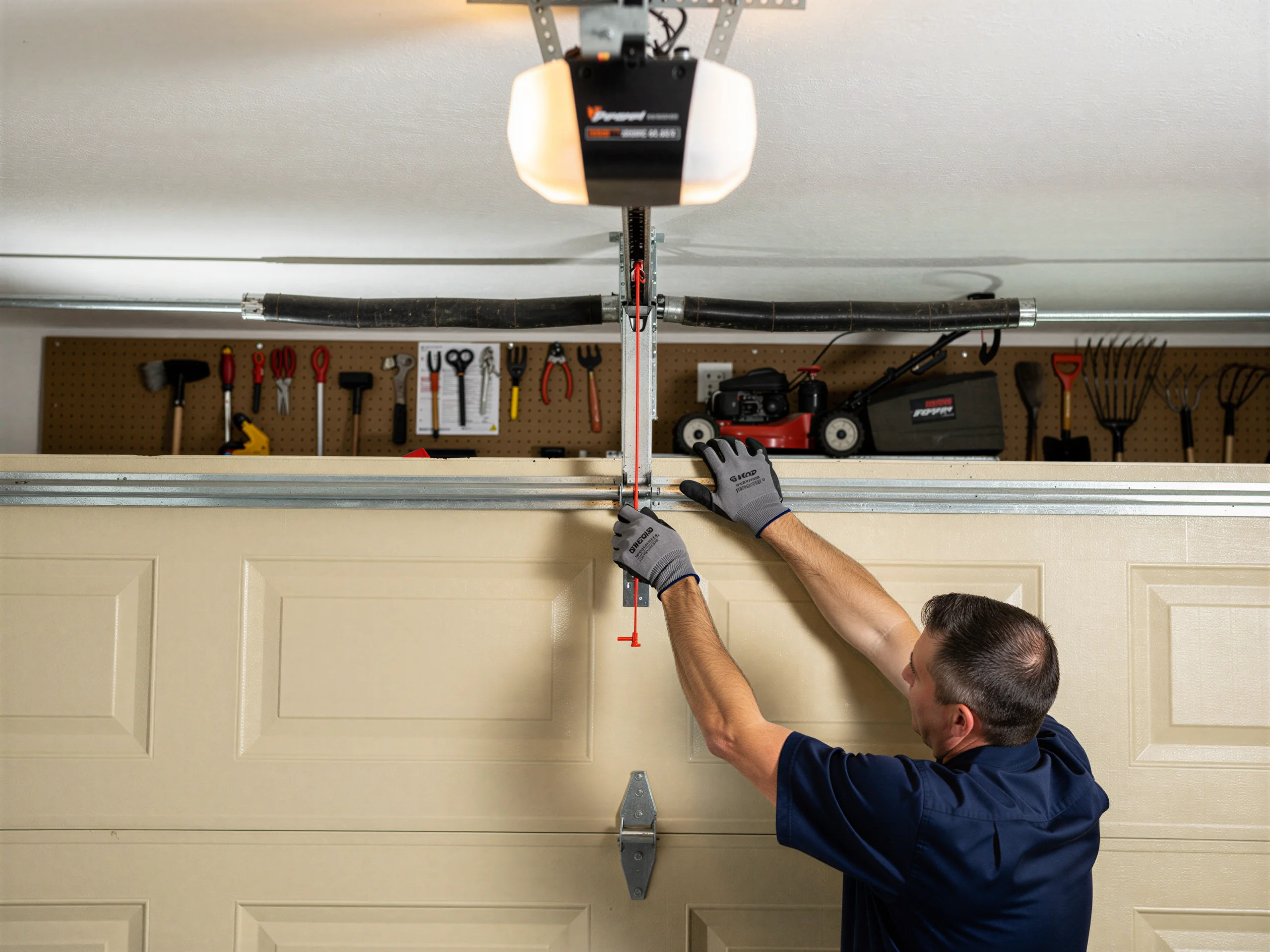
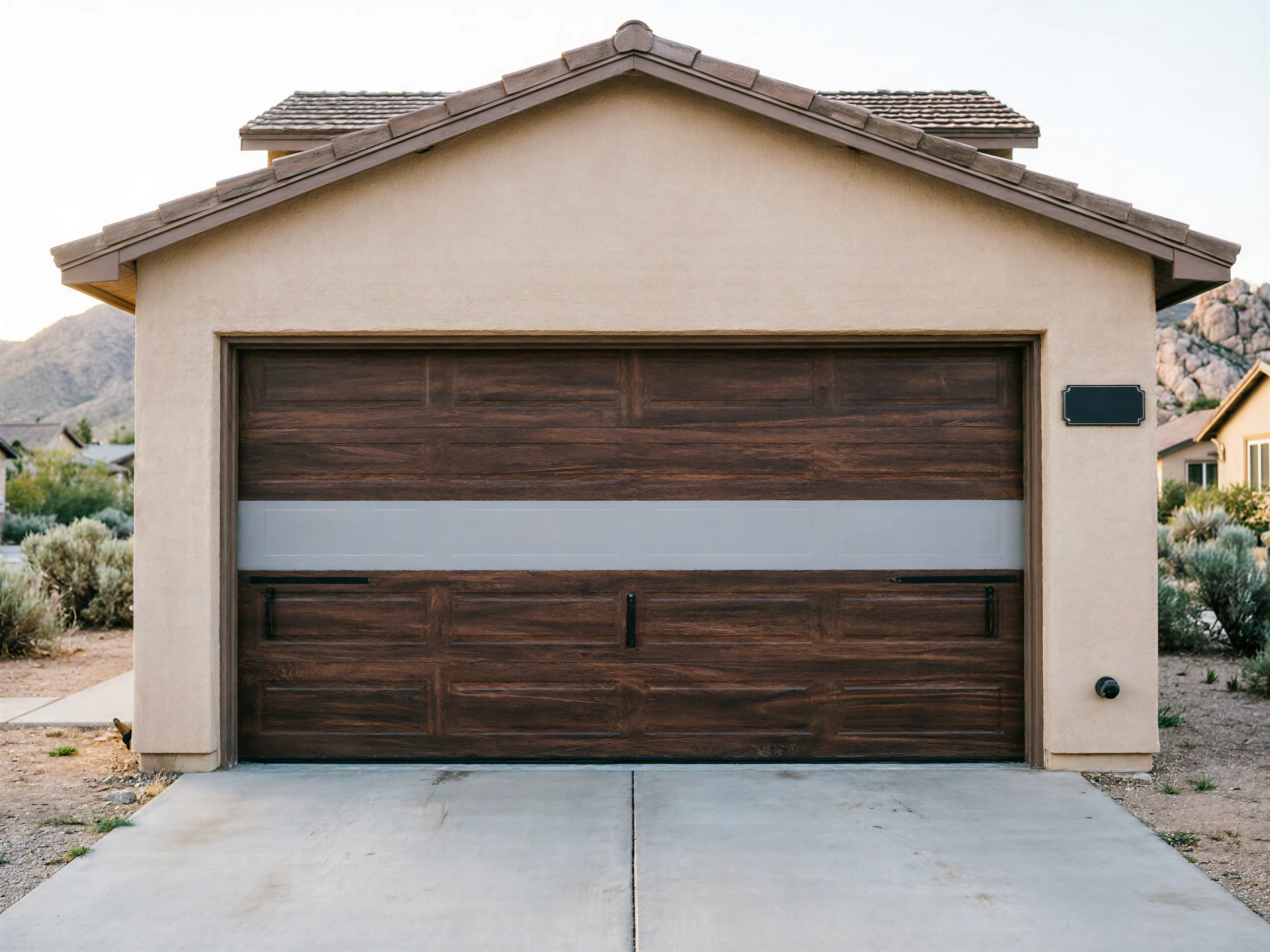
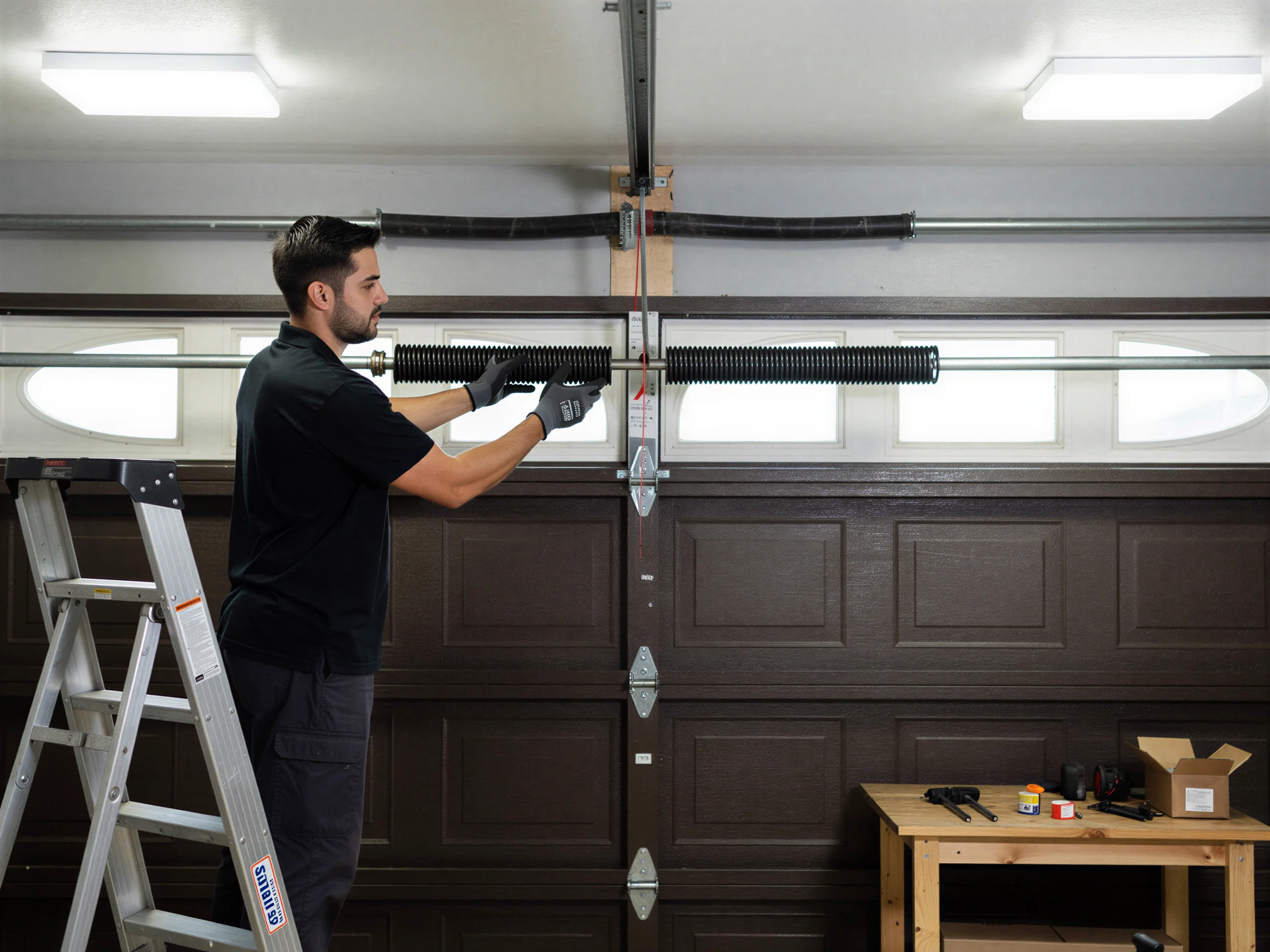
Two things are doing the damage here, and neither is unique to your house - they're baked into the area. First, the housing stock. Across the Goodyear service area, with roughly 17,163 owner-occupied houses concentrated in a 2001-2007 build window spread over a handful of named communities, a huge share of garage doors are running original torsion springs and original openers that are now 18 to 24 years old. Springs are rated by cycle count, and a spring installed in 2003 has been through the same number of open-close cycles as its neighbor three streets over. That's why we see failures cluster - not because of bad luck, but because the whole subdivision got the same hardware at the same time.
Second, the heat. This area sits in a severe heat band, and that matters for garage doors in ways people don't expect. Steel expands and contracts with big daily temperature swings, which stresses track alignment and bolts over years of summers. Opener circuit boards and capacitors, sitting in an uninsulated garage that regularly bakes past 100°F, fail earlier than the same part would in a milder climate. The spring doesn't care about heat directly, but the metal fatigue that leads to a snap gets a push from the yearly cycle of a garage running hot all summer and cooling fast at night. None of this is dramatic - it's just wear, accelerated.